Loading...
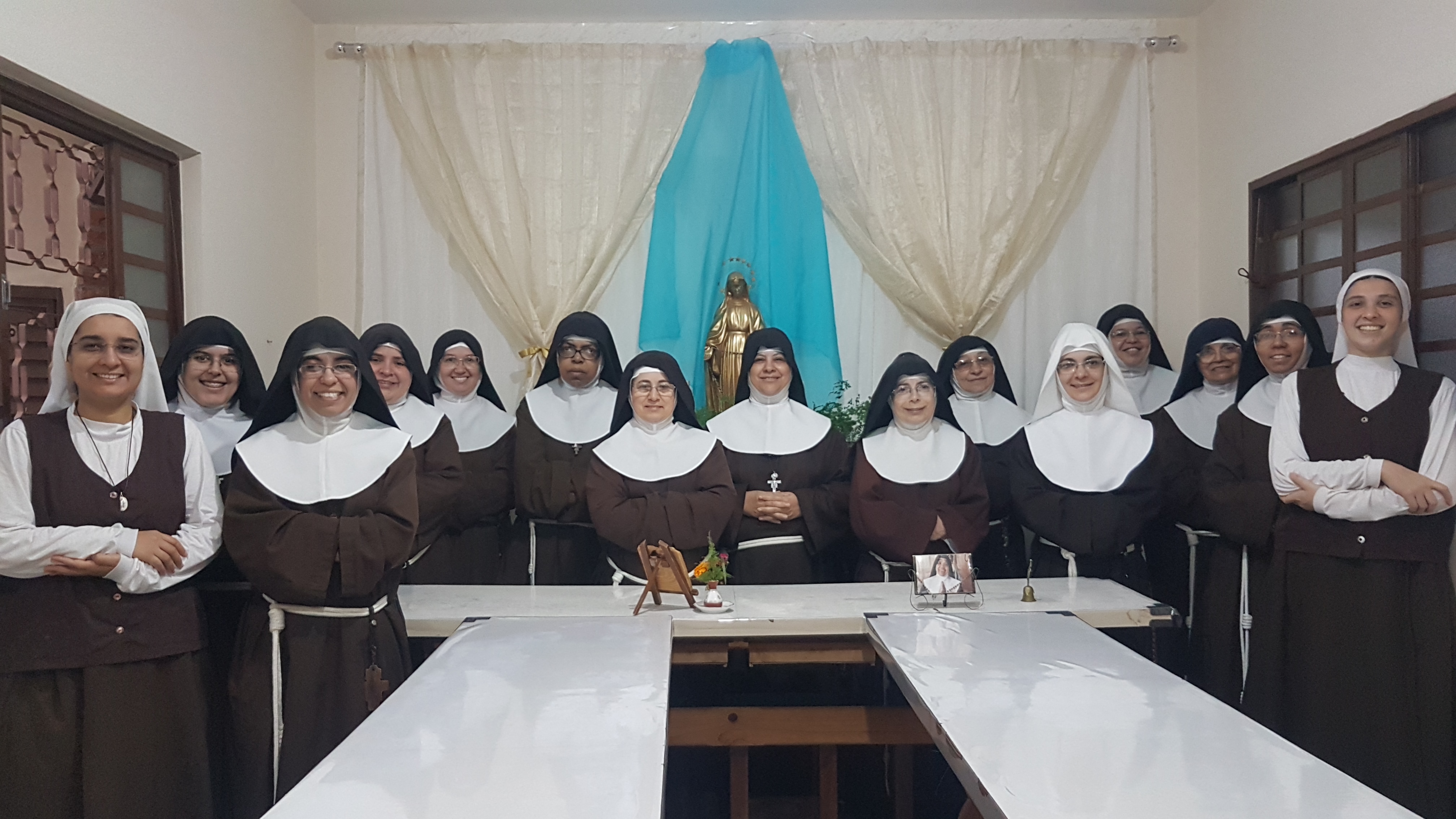
We are a contemplative religious community that professes the vows of poverty, chastity, obedience, and enclosure. We belong to the Order of St. Clare (OSC), known as the "Order of Poor Clares," founded in 1212 by our father St. Francis and St. Clare. We observe the Rule of our Mother St. Clare and the Constitutions of the Colettine Poor Clares.
Our Monastery was founded in Marília in 1999 by the Poor Clares of Caicó, RN. We are the only enclosed women's monastery in the diocese. We belong charismatically to the Franciscan Custody of the Sacred Heart of Jesus, from which we receive the Monastery chaplain and the frequent celebration of Holy Mass.
"By our contemplative life, we are especially dedicated to union with God and to His public worship, which finds its fullest expression in the Sacred Liturgy. Prayer and work are ordered in such a way that they at once flow from and contribute to the Holy Sacrifice of the Mass and the Liturgy of the Hours around which the daily schedule revolves. (Constitutions)"
Works
As part of our contemplative life, we devote ourselves to various manual works that intertwine with our life of prayer. Our Seraphic Mother Clare exhorts us: "let them not extinguish the spirit of holy prayer and devotion, to which all other temporal things must serve" (Rule VII).
Each sister devotes herself to a specific work, always oriented toward the service of the liturgy and the support of the community:
Corporal Embroidery
Corporal embroidery is carried out with delicacy and devotion, preparing the linens that will receive the Body and Blood of Christ during Holy Mass. We also make the same models, both festive and ferial, in the various liturgical colors.
Image Restoration
With care and skill, we restore sacred images, restoring their beauty and dignity for divine worship.
Candle Making
We produce liturgical candles that illuminate our celebrations and symbolize the light of Christ that guides us.
Gardening
We tend the monastery gardens, cultivating flowers and plants that beautify our space of prayer and contemplation.
Kitchen, Laundry, and Sewing
The daily work of the house is also lived as prayer: preparing meals, caring for clothing, and making pieces needed for community life.
"Work must not extinguish the spirit of holy prayer and devotion to which all other temporal things must serve. (Rule of St. Clare, VII)"
Genesis of the Monastery
San Damiano Monastery
Assisi, Italy
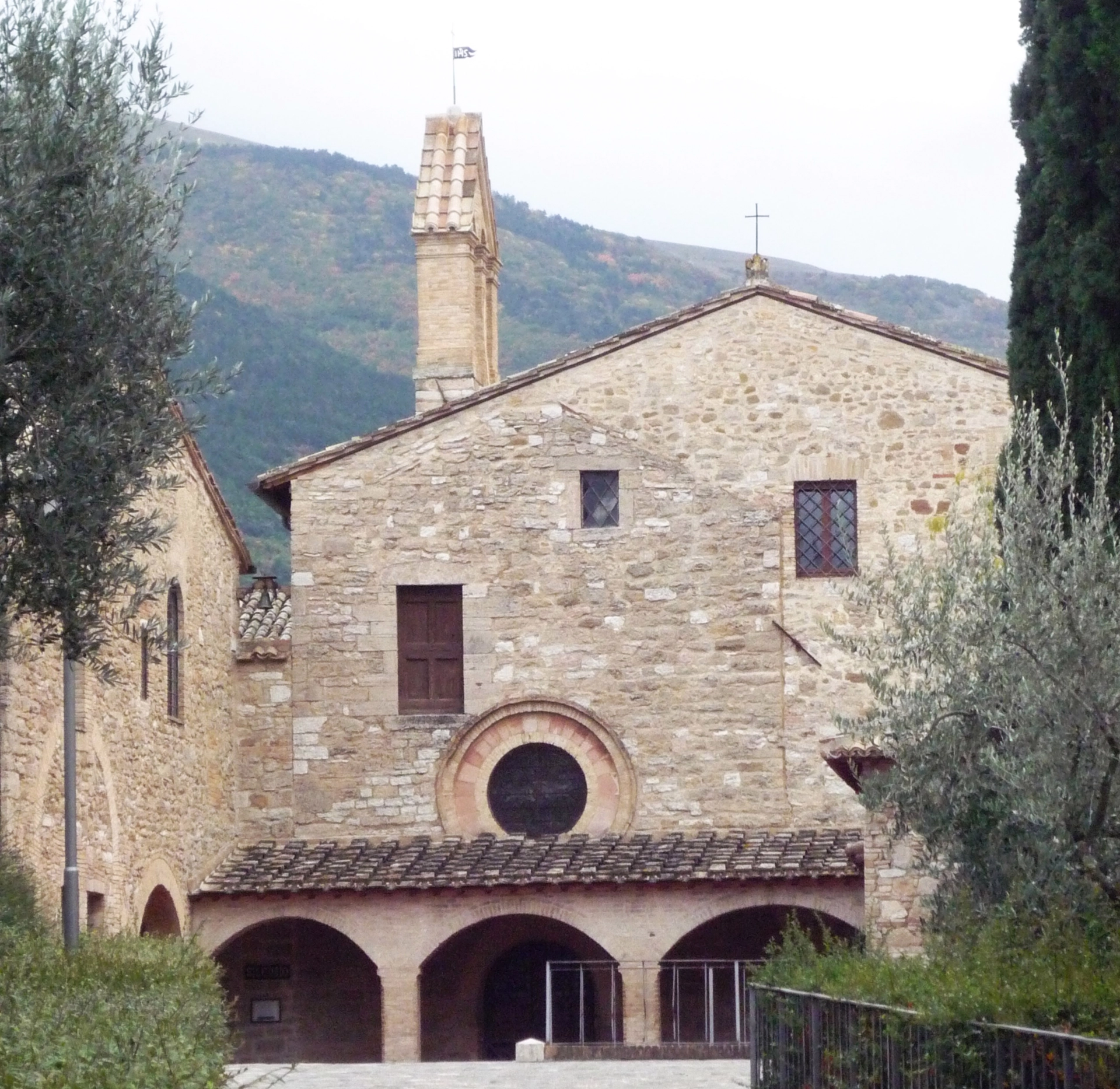
In 1212, under the guidance of St. Francis, the young Clare of Assisi began at San Damiano Monastery, together with some sisters, a life of penance, prayer, and work, in the highest poverty, wholly dedicated to contemplation. There arose the Order of St. Clare, or the Second Franciscan Order.
St. Elizabeth of Hungary Monastery
Reims, France
The Archbishop of Reims, Alberic, returning from the Lateran Council (1215), visited San Damiano and asked the Seraphic Mother Clare to send her daughters to France. In 1219, Sr. Maria de Braye left Assisi and was received the following year in Reims by Alberic's successor, Guillaume de Joinville.
"Seeing that Sister Maria de Braye found that God blessed her small work day by day, and that the number of daughters was increasing, she wished to give an account to her blessed Mother St. Clare, whom she honored as much in absence as in presence, honoring her as abbess and superior, writing to her with a very humble plea to accept them all as her daughters, who all greeted her and prostrated themselves at her feet, in manifest obedience and submission, as their beloved abbess and superior, in the person of Sr. Marie de Braye, her vicaress, who held her place in her small monastery of Reims. (Remarques de l'établissement du monastère de Sainte Claire de Reims)"
Only after the death of Sr. Maria de Braye (1230), at the suggestion of our Mother St. Clare and the minister general of the Order, was the first abbess elected "of the poor sisters of San Damiano of Reims." On November 20, 1237, the Archbishop of Reims consecrated the monastery's small church and dedicated it to St. Elizabeth, who had just been canonized (1235).
Colettine Reform: Besançon Monastery
France
The monastery of Besançon was founded in France in 1290 by the sisters of Reims. For various political and ecclesiastical reasons, this monastery and many others ceased to observe the Holy Rule written by the Seraphic Mother, adopting the Rule of Pope Urban IV.
God, guardian of His holy work, was preparing a return to primitive observance and, for this purpose, called from a small reclusory in the town of Corbie the young Coleta Boylet, aged 24. On October 16, 1406, His Holiness Benedict XIII received Coleta's vows and issued the bull authorizing the reform she proposed. He named her General Superior of all Poor Clare monasteries she would found or reform.
The Pope authorized her to take possession of the Urbanist Poor Clare monastery of Besançon on January 27, 1408. Holy Mother suffered serious opposition from this community, and only two years later, on March 14, 1410, was she finally able to complete the reform. The Countess of Geneva herself accompanied them with a large retinue.
It was at Besançon that St. John of Capistrano met Mother Coleta, saying: "I believe your reform is in accord with God and St. Francis; persevere, as you have begun, for God is with you."
Bethlehem Monastery
Ghent, Belgium
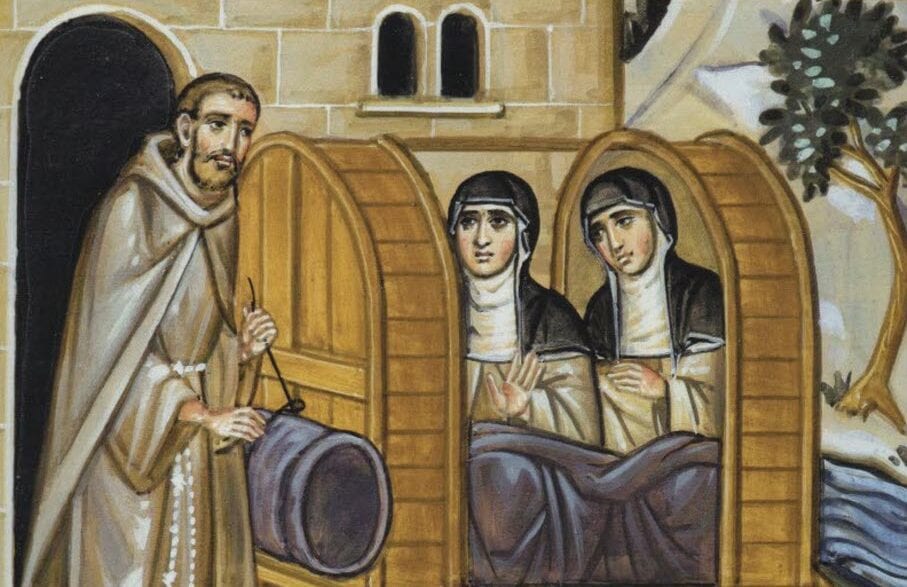
Bethlehem Monastery was founded by St. Colette in 1442, at the request of the magistrates of Ghent, Belgium. The sisters came from various French monasteries.
Holy Mother Colette returned to this monastery on December 6, 1446 and died three months later, on March 6, 1447.
With the religious persecutions during the time of the revolutions, the community of Ghent was dispersed. In 1812, six surviving religious tried to restore their community. They had been forbidden by the Dutch government, to which the city belonged, to receive novices, and only in 1830 were they able to recover all their rights. Since then the convent expanded to receive the novices who came there, and the community began to flourish under the impulse of Mother Giovanna Francesca Dumortier: "most zealous for the tradition of St. Colette, she gathered these traditions into a collection."
Tongeren Monastery
Tongeren, Belgium
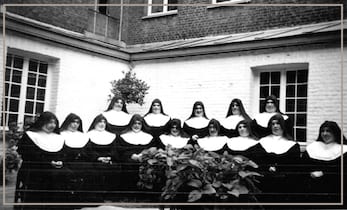
In 1845, Ghent founded a monastery in Tongeren with Mother Maria Lucia. This monastery also welcomed German sisters who were exiled due to state secularization.
Sacred Heart Monastery
Düsseldorf, Germany
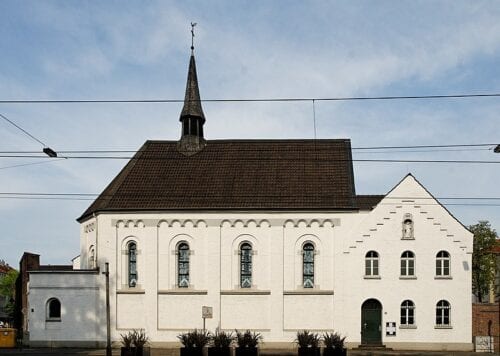
In 1859, two sisters from Tongeren left for Düsseldorf, Germany, for a foundation. The final monastery was completed in 1863.
Due to government repression, the Poor Clares of Düsseldorf took refuge in Harrefeld (Netherlands), and from there sent two groups of founding sisters to Cleveland (USA) and Rio de Janeiro (Brazil).
Our Lady of the Angels Monastery
Rio de Janeiro, Brazil
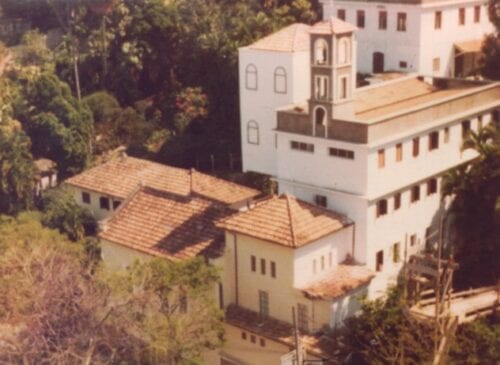
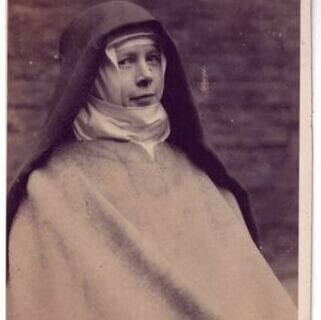
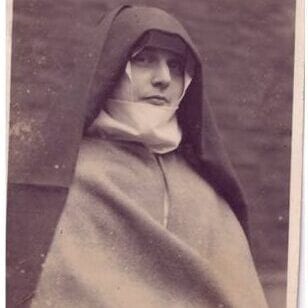
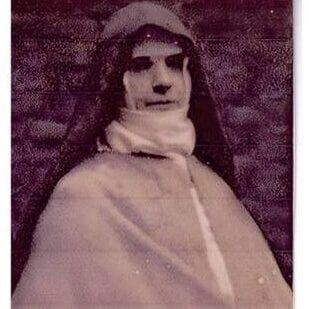
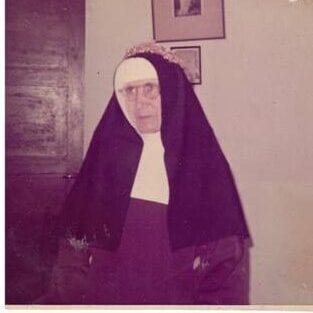
On September 25, 1928, the eight sisters chosen for the erection of Our Lady of the Angels of the Porziuncola Monastery arrived in Rio de Janeiro. They were: Madre Maria Seráfica, Ir. Maria Juliana, Ir. Maria Boaventura, Ir. Maria Clara, Ir. Maria Agnela, Ir. Maria Columba, Ir. Maria Imaculada, and Ir. Maria Terezinha.
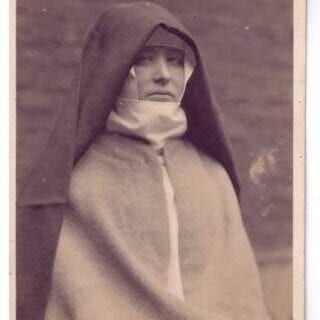
Our Lady of Guadalupe Monastery
Caicó – RN
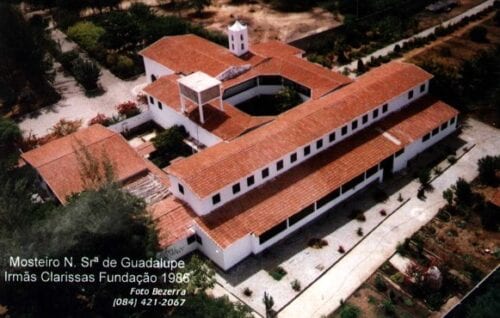
The then Bishop of the diocese of Caicó-RN, Dom Heitor de Araújo Sales, made several requests for the erection of a Monastery of the Order of St. Clare in his diocese. The request was accepted in 1984 by Our Lady of the Angels Monastery, RJ.
For the foundation were sent: Ir. Maria Coleta do Sagrado Coração de Jesus, vicaress; Ir. Maria Ângela do Santíssimo Sacramento; Ir. Maria Madalena da Santa Cruz; Ir. Marlene Inácia de Jesus Hóstia; Ir. Maria do Rosário de Fátima da Ressurreição; Ir. Maria José de Jesus (novice); Ir. Francis Maris da Imaculada (novice); Ir. Lúcia Maria do Imaculado Coração (novice). It was June 12, 1984.
Mosteiro Maria Imaculada
Marília – SP
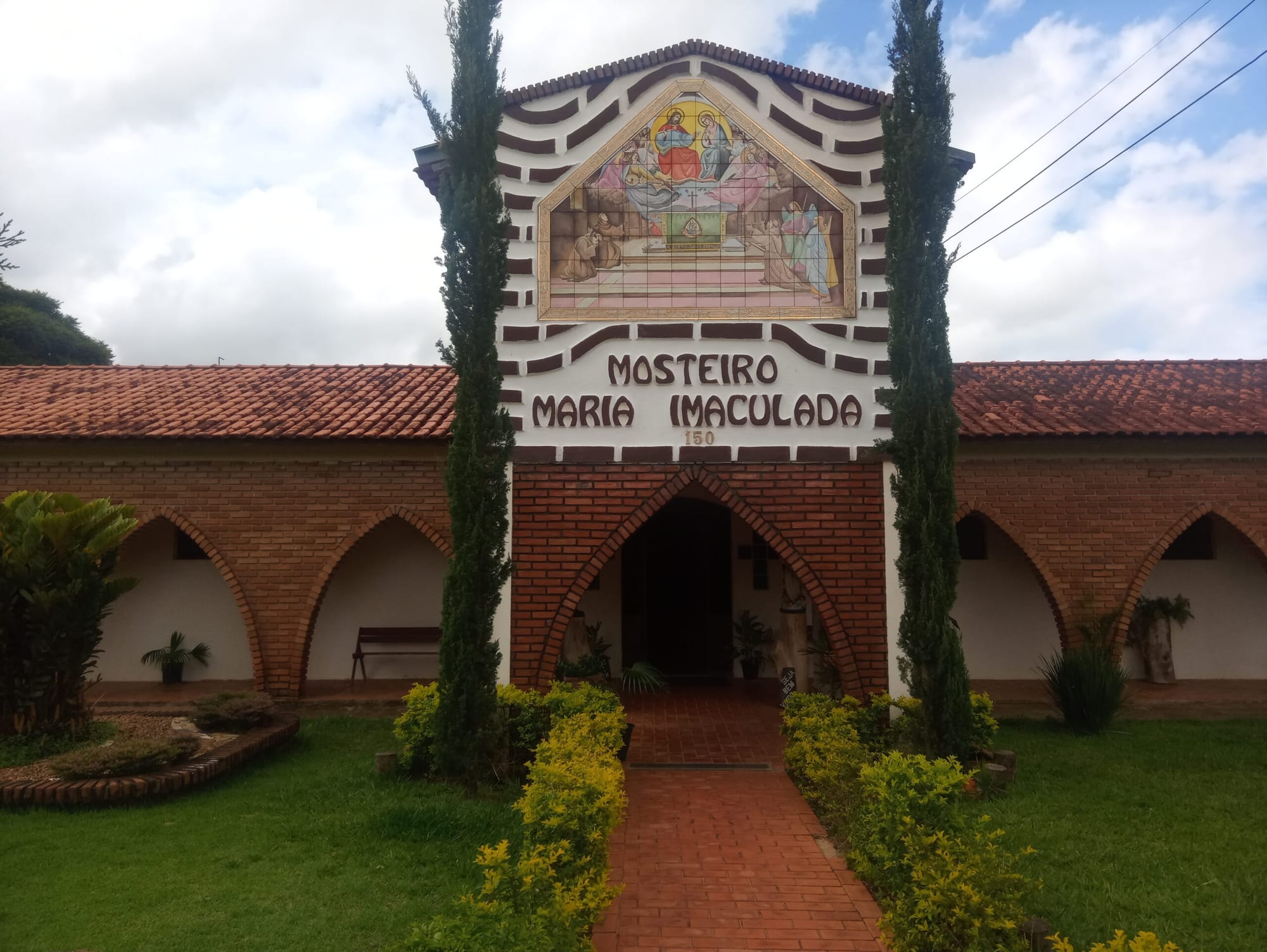
Between 1997 and 1998, Fr. Irineu Andreassa, OFM, requested a foundation for the city of Marília, SP, from Our Lady of Guadalupe Monastery. Praying and trusting in God's Providence, the sisters accepted.
Pontifical approval for the foundation took place on July 16, 1999.
Our founders: Me. Marlene Inácia de Jesus Hóstia, Ir. Francis Maris da Imaculada, Ir. Maria Madalena da Virgem Dolorosa, Ir. Maria Inês do Menino Jesus, Ir. Maria Francisca das Cinco Chagas, Ir. Isabela de Santa Maria dos Anjos, and some postulants, arrived in Marília on September 19 of the same year. The community remained in a provisional house until construction was completed. The inauguration took place on November 15 of the following year.
Refoundation of Nazareth Monastery
Lages – SC
In 2011 a group of sisters from our community left to revitalize the Monastery of Lages, SC, at the request of the local bishop at the time, Dom Frei Irineu Andreassa, OFM. In 2012, the Monastery became autonomous.