Loading...
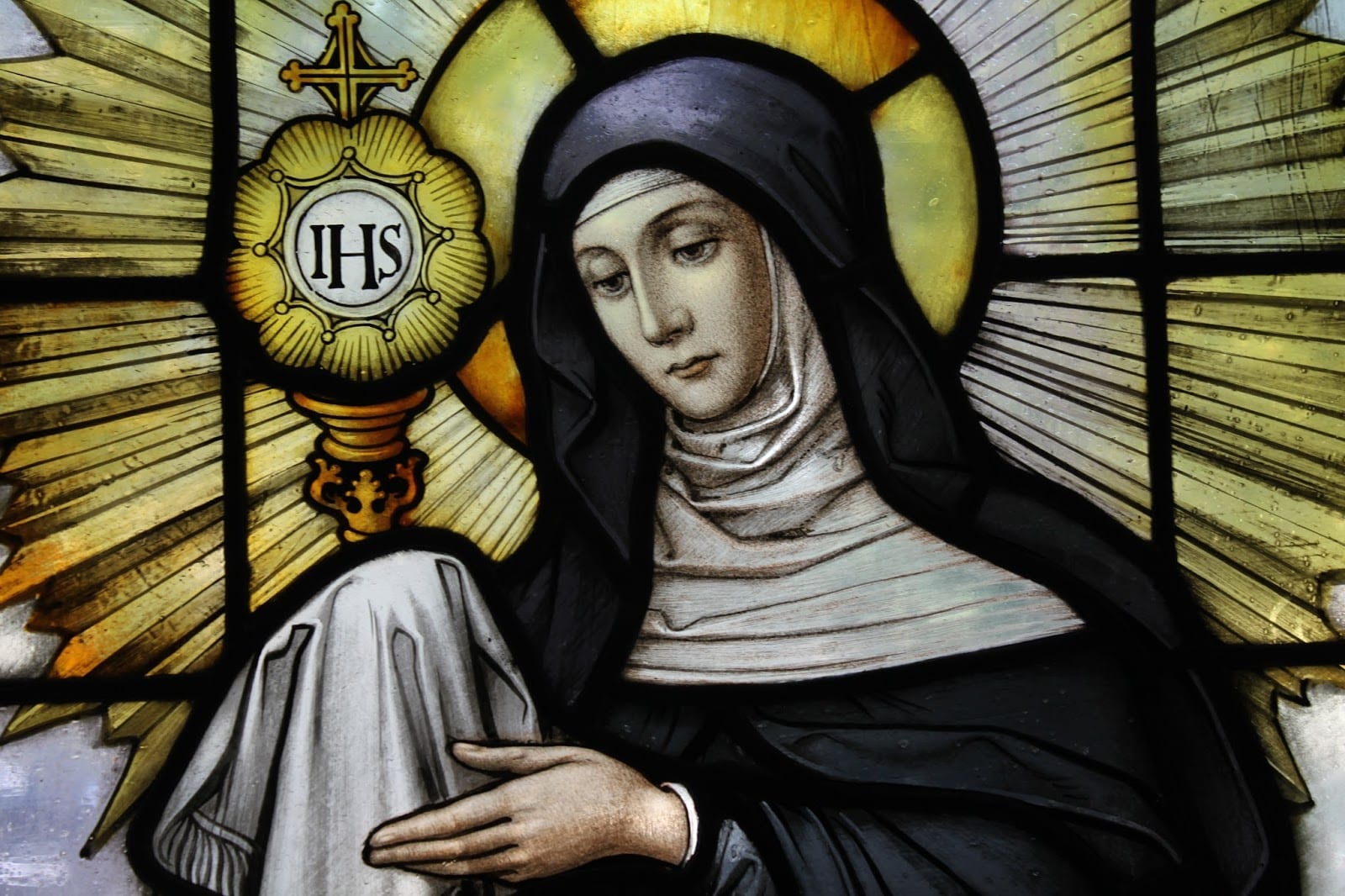
When a young woman feels addressed by God in her choice of life, many questions arise. It is always so. We want to know everything — both for ourselves and to explain our way of life to others. It is always difficult, perhaps impossible, to determine the moment when God invites a soul to Himself through what we call a "vocation."
It is especially difficult because the moment when God becomes present in the soul, calling it in a precise and personal way, always remains a secret entrusted to that same soul; it is also difficult because God's call, most of the time, does not happen suddenly, but gradually, through the slow action of grace that invades the soul so that it may recognize the voice of the One who calls.
In any case, the birth of a vocation, whether the soul is conscious of it or not, always implies a change of life: a vocation always produces a "conversion" (this is precisely the term our Mother St. Clare used to indicate the moment when she left the world to follow Christ). This change of life is not always clearly visible outwardly, especially in cases where the person called has never been far from God.
Once God's invitation is perceived, even if life seems to continue unchanged, the inner meaning of actions changes: what was done to achieve certain goals is now done solely to adhere to God's will. Certainly the desire for solitude that accompanies the beginning of a contemplative vocation, as often happens, is the need for a silence in which God's voice, reaching the soul, may be heard more clearly, understood in its most authentic meaning, and savored in its sweetness. St. Clare herself shows that it is truly so: when the family is gathered and conversing, she participates animatedly, but one alone is her subject; of one thing alone she seems to know how to speak: of God and the things of God, because she thought of nothing else.
"Clare, the first little plant of Francis," Sr. Chiara Augusta Lainati, OSC.
Stages of Formation
"The formation of the consecrated person is a journey that should lead to configuration with the Lord Jesus and to the assimilation of His sentiments in one's total oblation to the Father."
Candidate
Upon contacting us, the young woman goes through a time of discernment through visits to the monastery, in order to acquire a basic knowledge of the essence and demands of our life. All of this takes place with joint accompaniment by the community, which helps her discern God's will.
Aspirant and Postulant
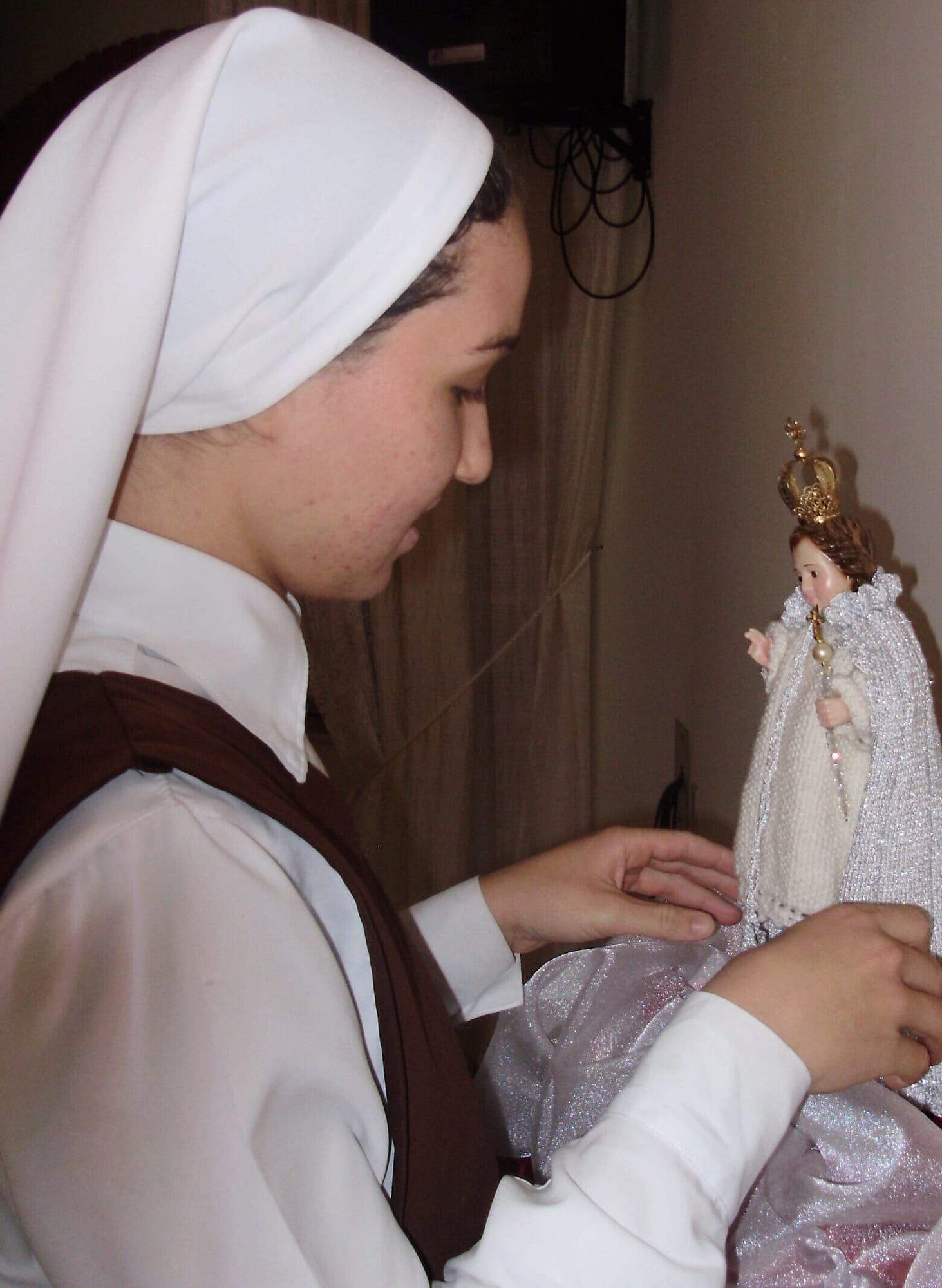
Once the request for admission has been made and the sisters' consent obtained, the young woman begins the aspirancy, which is first outside the enclosure, without the use of the veil.
After a certain period, she begins her experience within the enclosure and, for this purpose, receives the veil. She is inserted into the rhythm of the community and into fraternal life with the sisters.
This stage lasts one year; during the first year, after each semester, the young woman visits her family.
Moving on to the postulancy, the young woman, already introduced to the holy customs, enters more deeply into the spirituality proper to our Order with a greater knowledge of our Seraphic Founders. This period lasts two years.
Novice
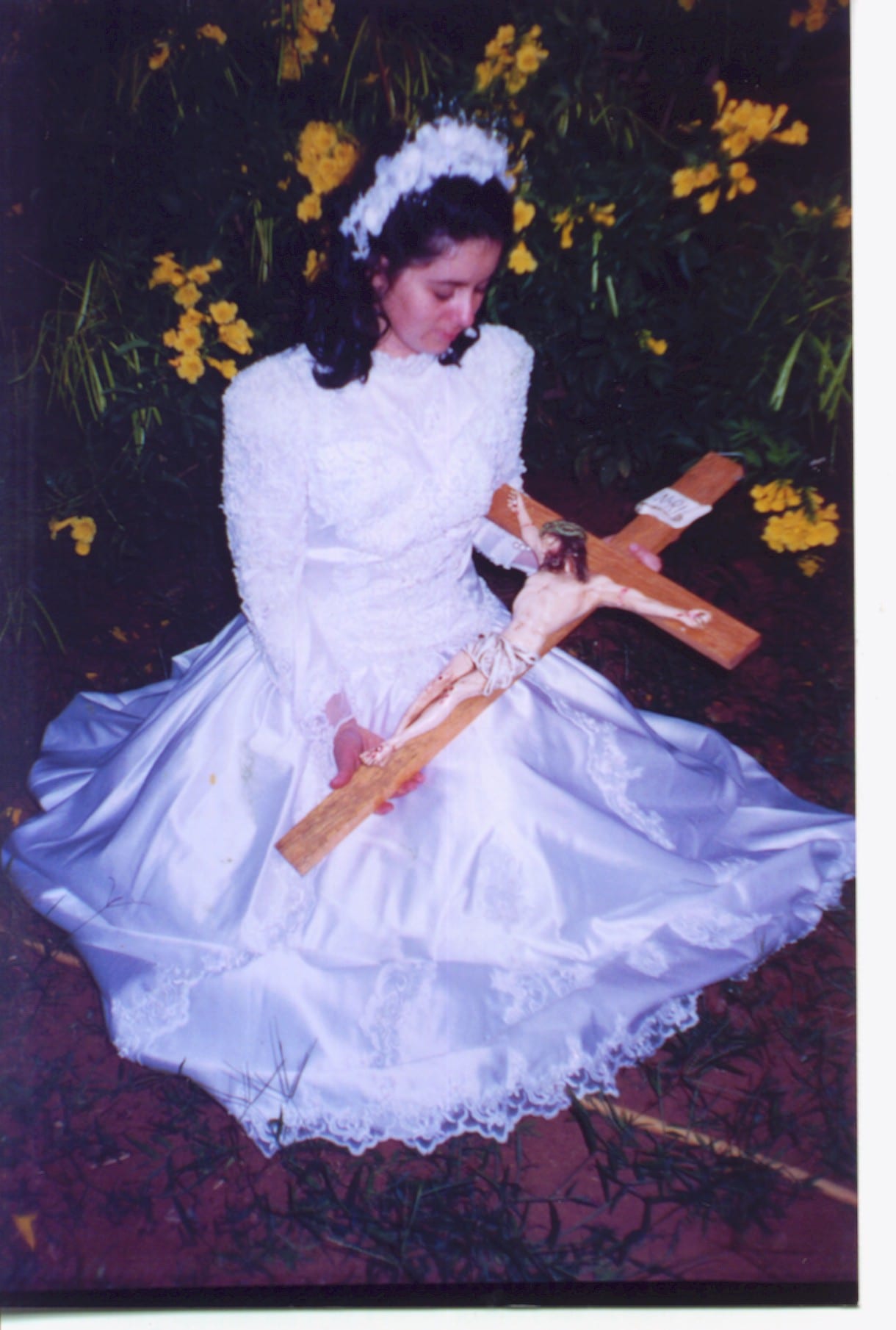
Choosing to continue on the path, the postulant requests admission to the novitiate. Once the sisters' consent is obtained, in a beautiful traditional ceremony, the young woman, dressed as a bride, has her hair tonsured by the abbess.
The novice receives a religious name and the garments of the Order: the white veil, sign of purity of heart; the wimple, a white headdress that veils part of the face and bust, sign of mortification of the senses and heart; the holy habit, sewn in the form of a cross, signifying configuration to the crucified Christ; the Franciscan cord, which reminds us that we are pilgrims and strangers in this world, and is a sign of our desire for union with the Lord; the Seraphic Crown, a rosary of seven decades, on which we meditate the seven joys of the Most Blessed Virgin Mary; and finally, the mantle, sign of the hidden presence of Christ in us, His temples.
This stage lasts two and a half years and is wholly imbued with deeper discernment and direct preparation for the profession of the holy vows.
Junior Professed
Once the community's approval is received, during Holy Mass the novice makes vows to live in poverty, chastity, obedience, and enclosure for three years and exchanges the white veil for the black one, sign of death to the world and of life given to the Lord and to the service of the Holy Church. After the first three years, the young professed renews her vows for two more years; this stage lasts five years.
Solemnly Professed
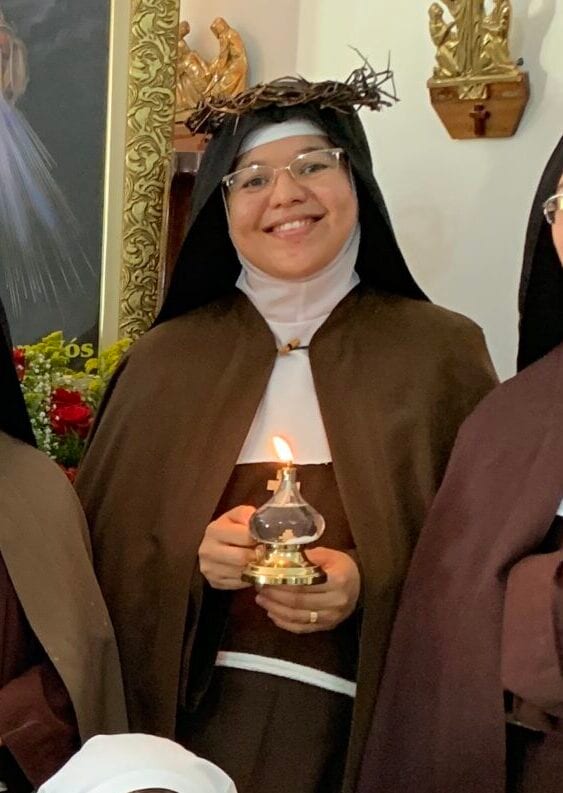
After this long time of discernment and preparation, resolved to live until death in the Holy Order and to observe the Holy Rule, trusting not in her own strength but in the grace of God, she thus makes her Solemn Profession of Perpetual Vows during Holy Mass, in a celebration of profound meaning. In it the sister receives the crown of thorns upon her head and the espousal ring she will wear constantly, for she is now truly the spouse of Christ… not by her merits, but by an unfathomable design of God's love!